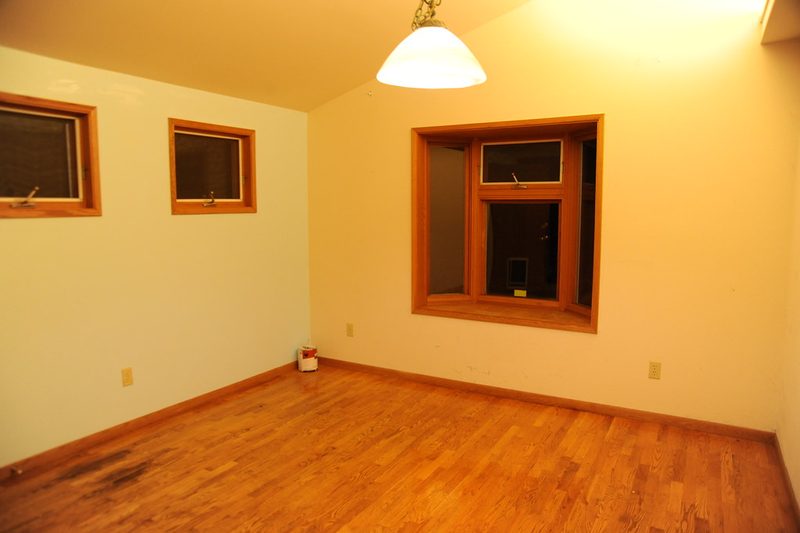
The empty-home checklist
Kitchen
- Inside and outside of every cabinet and drawer, shelf corners and drawer tracks included
- Inside the oven, the racks, the door glass and the storage drawer
- Inside the fridge and freezer: shelves, bins, door gaskets, and the top of the fridge
- Microwave and dishwasher inside and out, filter area included
- Range hood, stovetop, backsplash, counters and sink
- Floor washed edge to edge, toe kicks under the cabinets included
Bathrooms
- Inside vanities, drawers and the medicine cabinet
- Tub, shower, tile and grout scrubbed; soap scum and hard-water film removed
- Toilet scrubbed inside and out, with the hinges, the base and the floor behind it wiped
- Mirrors, fixtures, towel bars and the exhaust fan cover
- Floor washed, corners and behind the door included
Bedrooms and closets
- Closet shelves, rods, floors and the tops of the closet door frames
- Baseboards, doors, door frames and trim wiped
- Light switches, outlet covers and fixtures within reach
- Window sills and window tracks vacuumed and wiped
- Vent covers and return grilles dusted
- Floors vacuumed and washed, edges and corners included
Living areas, halls, stairs and laundry
- The clean rectangle where the furniture stood, and the dust ring around it
- Stairs, spindles and railings
- Radiator covers and the wall behind where the couch was
- Entry door inside, the threshold and the entry floor
- Outside of the washer and dryer, the lint area, and the floor beneath and behind them
- Garage, basement and attic on request, once you tell us what they are like
We clean; we do not haul junk, patch walls, paint or make repairs. Carpets that need shampooing go to carpet cleaning, and outside glass to window cleaning.
Tenants: cleaning and your security deposit
A clean, empty apartment helps at the final walk-through, but no cleaning company can promise that a deposit comes back. Your landlord decides what to deduct, and state law sets the rules for how and when:
- New York. Under General Obligations Law section 7-108, the landlord must return the deposit within 14 days after you move out, along with an itemized statement of any amount held back, and nothing may be kept for ordinary wear and tear. The New York Attorney General's Residential Tenants' Rights Guide adds that you can ask the landlord to inspect before you move out and tell you what needs to be fixed or cleaned, so you have a chance to deal with it first. Under the statute the inspection falls in the last two weeks of the tenancy but at least a week before it ends, after which the landlord gives you an itemized statement of the repairs or cleaning proposed as deductions, and you may take care of them before you leave. The guide notes these rules cover units that are not rent stabilized or rent controlled.
- Connecticut. Under General Statutes section 47a-21(d)(2), the later of two deadlines applies: the 21st day after the tenancy ends, or the 15th day after your forwarding address reaches the landlord in writing. By then the deposit, or what remains of it, comes back with a written, itemized list of damages. The Connecticut Department of Banking's security deposit brochure recommends inspecting the apartment together with your landlord before you leave and returning the keys the day the tenancy ends.
Two practical steps help either way. Give your landlord a forwarding address in writing, and photograph every room, with the date, once the cleaning is done. In New York, if you asked for a pre-move-out inspection, book the cleaning after it, so the list you were given gets handled.
This is general information, not legal advice. Questions about a specific deduction belong with your landlord or a lawyer.
Move-out, move-in or deep cleaning: which one do you need?
| Deep cleaning | Move-out cleaning | Move-in cleaning | |
|---|---|---|---|
| The home is | Furnished and lived in | Empty, just vacated | Empty, about to be yours |
| Reaches | Around furniture and belongings | Inside every cabinet, closet and appliance; the floor under where furniture stood | The same, plus whatever the last occupant's cleaning missed |
| Booked by | Owners and renters staying put | Tenants, landlords, sellers | Buyers, new tenants, landlords before showings |
| Timing | Any time | After the truck, before the walk-through | After closing or keys, before the movers |
Still living in the house while it is listed? Book a deep cleaning for the photos and the empty-home cleaning once you are out. For apartment and condo turnovers, apartment and condo cleaning covers building rules and elevator windows.
Who books an empty-home cleaning
- A tenant in Stamford or Yonkers handing back keys at the end of a lease, with the oven and the inside of the cabinets on the landlord's checklist.
- A landlord between tenants who wants the unit turned over in one visit, so the move-in photos show a clean fridge and clean cabinets.
- A seller with a closing date, so the buyer's final walk-through finds the house the way the listing photos showed it.
- A buyer in Trumbull or Greenburgh who wants the previous owners' kitchen and bathrooms cleaned before a single box comes in.
- A real estate agent booking for a client: the address, the lockbox code and the deadline are all we need.
- A family preparing a relative's house for sale, once the belongings are cleared.
Timing around the moving truck
- Move everything out first, including what is in closets, cabinets and the fridge. Empty rooms are cleaned faster and more completely.
- Book the cleaning after the truck leaves and before the final walk-through or key handover, with some margin in case the move runs late.
- Keep the power and water on through the cleaning. The work needs lights, running water and working outlets.
- Empty the fridge and freezer ahead of time. If the freezer needs defrosting, turn it off early and leave towels down.
- Arrange access: keys, a lockbox code, and any building rules for elevators or loading docks.
- For a move-in, the cleaning goes before your furniture, not after, so schedule it between closing and the movers.
Plan early for summer. Google Trends for the New York metro area shows searches for "move out cleaning" averaging highest in August across 2021 to 2025, with July and June next, and August was the single busiest month in three of those five years; February and March were the quietest. If your lease ends at the end of a summer month, send the date as soon as you know it.
What changes the time and the quote
- Bedrooms, bathrooms, floors and stairs
- The condition the home was left in
- Grease inside the oven and the range hood
- How many cabinets and closets there are to do inside
- Garage, basement or attic, if you add them
- Items left behind that have to be worked around
- A fixed deadline that leaves no room to reschedule
The quote is for the whole job, not an hourly rate; how we quote shows what to send and how sales tax is handled in each state. Check that your town is in our service area before you book the truck.
Common questions about move-in and move-out cleaning
What is usually included in a move-out cleaning?
Everything in a deep cleaning, plus the places you can only reach once a home is empty: inside every cabinet and drawer, inside the oven and the fridge, closet shelves and floors, window tracks, and the floor and walls where furniture stood. Garages, basements and attics are added when you ask, and junk removal, painting and repairs are never part of it.
Are move-out cleaning services worth it?
They are worth it when your time is short and the standard is high: moving week is already full, and a landlord, buyer or new tenant will open the oven and look inside the cabinets. A professional cleaning also gives you a firm date and a finished home for the photos you take before handing over keys. It cannot promise your deposit back, but it leaves much less to argue about.
Can a landlord take cleaning costs out of my security deposit?
Your lease and your state's law decide that, and the deduction itself is your landlord's call. What the law fixes: in New York, General Obligations Law section 7-108 puts a 14-day clock on the landlord once you have left: deposit back, itemized statement included, and nothing charged for normal wear and tear. In Connecticut, section 47a-21(d)(2) runs the clock to 21 days after the tenancy is over, or 15 days after a written forwarding address arrives if that comes later, and any deduction has to be itemized in writing. For a specific deduction, ask your landlord or a lawyer.
What is the difference between a move-out cleaning and a deep cleaning?
A deep cleaning works around your furniture and belongings. A move-out or move-in cleaning happens in an empty home, so it adds cabinet, drawer and closet interiors, the inside of appliances, and the floor under where furniture stood. If you are still living in the home, for example before listing it, book a deep cleaning. Once the rooms are empty, book the move-out cleaning. The table above sets the three side by side.
Should the carpets be cleaned before moving in or out?
Often, yes, and the empty home is the right moment for it: no furniture to move, and time for the carpet to dry before anyone walks on it. A move-out cleaning vacuums carpets thoroughly but does not shampoo or extract them; that is carpet and upholstery cleaning, which can be booked alongside. Check the lease, since some require professional carpet cleaning at move-out, and keep the receipt.
Does a move-out cleaning include the garage, basement or attic?
Not automatically. Those spaces range from finished rooms to concrete floors under open shelving, so they are added only when you ask. Tell us in the quote form which ones you want, whether they are finished, and whether they are empty or still holding things. The kitchen, bathrooms, bedrooms, closets, living areas and laundry area are always part of the move-out cleaning.